Belvedere barrier-free with a mobility scooter — visitor guide
Schloss Belvedere is one of Vienna's most beautiful Baroque ensembles — Upper Belvedere, Lower Belvedere, the formal gardens between them, and the modern Belvedere 21 just south. Large parts of the complex are accessible for visitors with reduced mobility, including the world-famous Klimt collection (with the "Kiss"). A few things are worth planning ahead, especially at the Upper Belvedere where the historic main staircase has steps but an accessible alternative entrance is available. Please cross-check current details on the official Belvedere accessibility page before your visit.
In this guide
1. How to arrive — entrances and transit
The Belvedere has two main entrances on opposite ends of the gardens:
- Upper Belvedere entrance — Prinz-Eugen-Straße 27, 1030 Vienna (south side, closest to the main collection with the "Kiss").
- Lower Belvedere entrance — Rennweg 6, 1030 Vienna (north side, closer to the city centre).
For scooter visitors arriving by public transport, the most practical option is usually tram D (stop "Schloss Belvedere") which stops just outside the Upper Belvedere gate. Trams in Vienna are largely low-floor and ramp-equipped, though not every single tram on every line — current rules and live info are on the Wiener Linien accessibility page.
If you arrive by U-Bahn, two practical stations are U1 Südtiroler Platz / Hauptbahnhof (short scoot to the Upper Belvedere) and U4 Stadtpark (short scoot to the Lower Belvedere). All Vienna U-Bahn stations have elevators — current lift status is available via Wiener Linien.
2. Upper Belvedere — Klimt's "Kiss" step-free
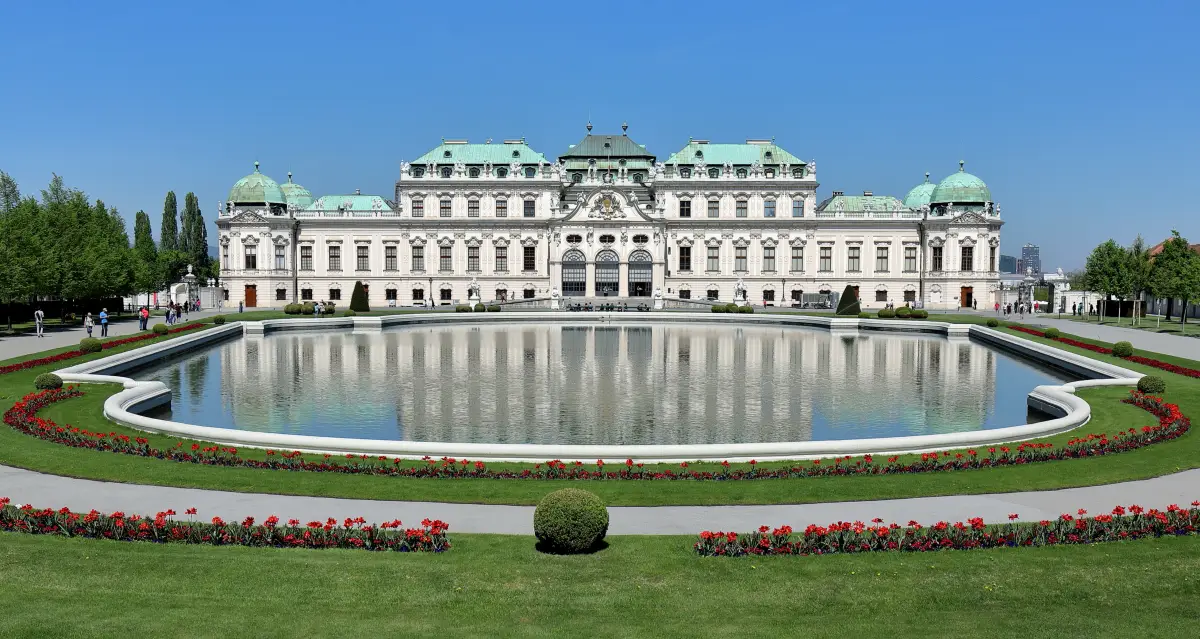
The Upper Belvedere houses the permanent collection including Klimt's "The Kiss", "Judith", and important Schiele and Kokoschka works. According to the official Belvedere accessibility page, the museum offers ground-level entry with automatic double swing doors, and all exhibition areas are accessible by elevator. The historic main courtyard staircase has steps, so visitors with reduced mobility typically use the accessible entrance route — please ask staff on arrival, as routing may change with current special exhibitions.
- Buy tickets online before arrival (timed-entry helps avoid queues).
- On arrival, ask staff at the gate for the accessible entrance — they direct you to the correct route.
- Lifts serve the gallery floors.
- Doorway widths between rooms are generally generous; a 4-wheel scooter typically fits through comfortably.
3. The gardens between the palaces
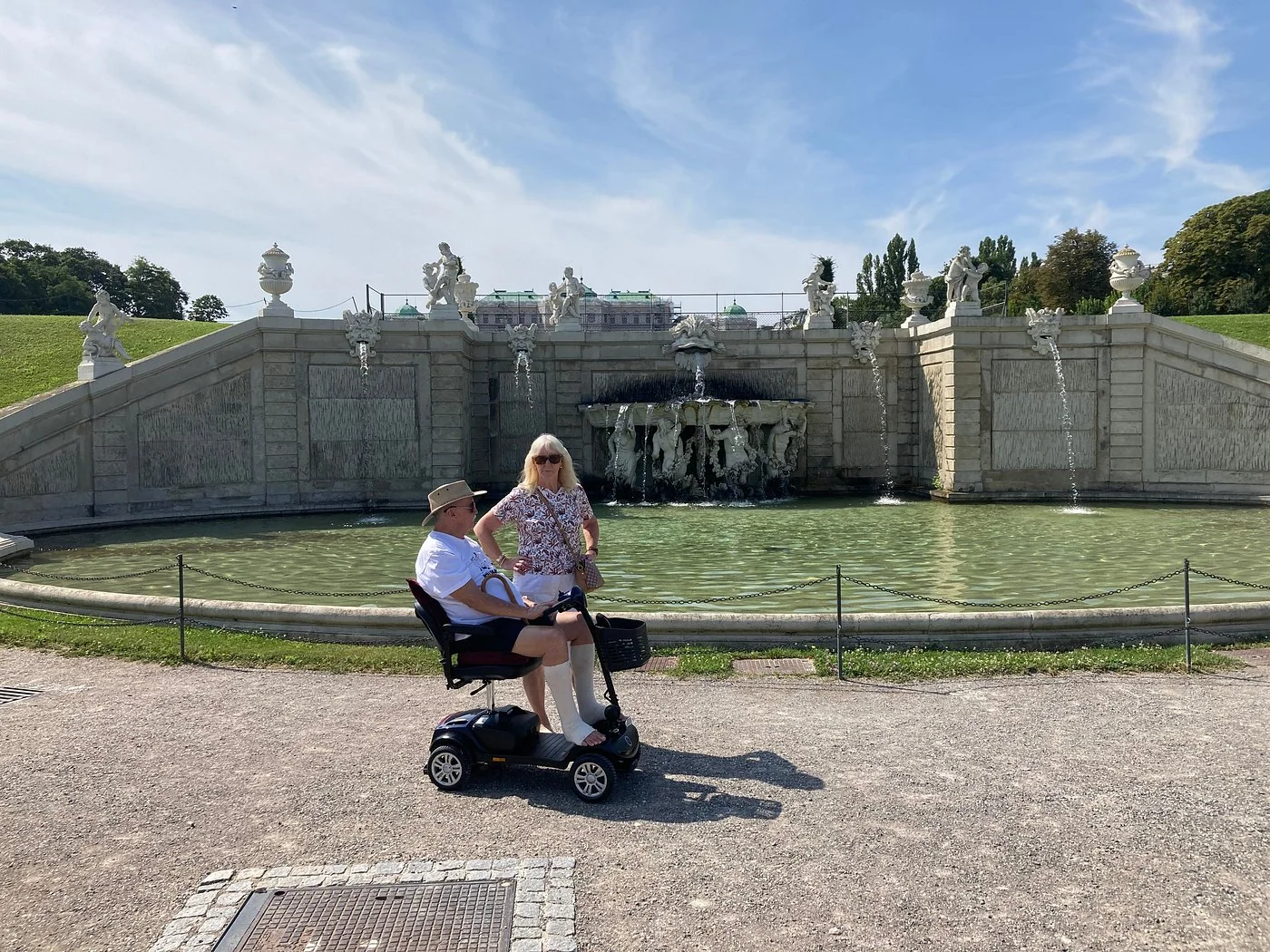
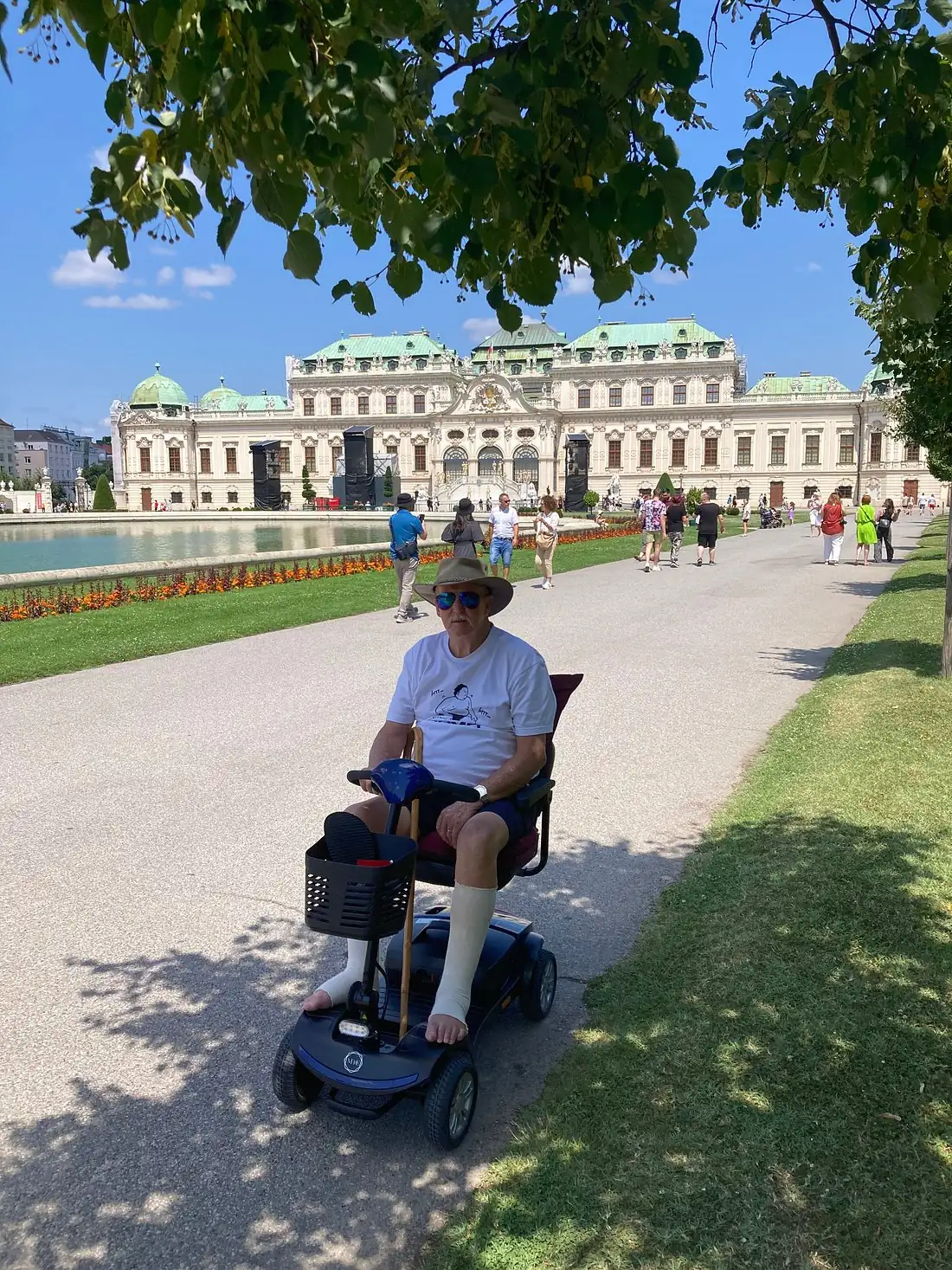
The Belvedere Gardens stretch between the Upper and Lower palaces in the classic Baroque "axial" layout. Important: according to the official Belvedere accessibility page, the path through the park connecting Upper and Lower Belvedere is not formally classified as barrier-free — main paths are typically compacted gravel with a gentle but sustained slope. Many of our scooter guests have handled it comfortably at moderate speed on a 4-wheel mobility scooter, but please plan a fully charged battery and please confirm current conditions on the official Belvedere accessibility page before you go.
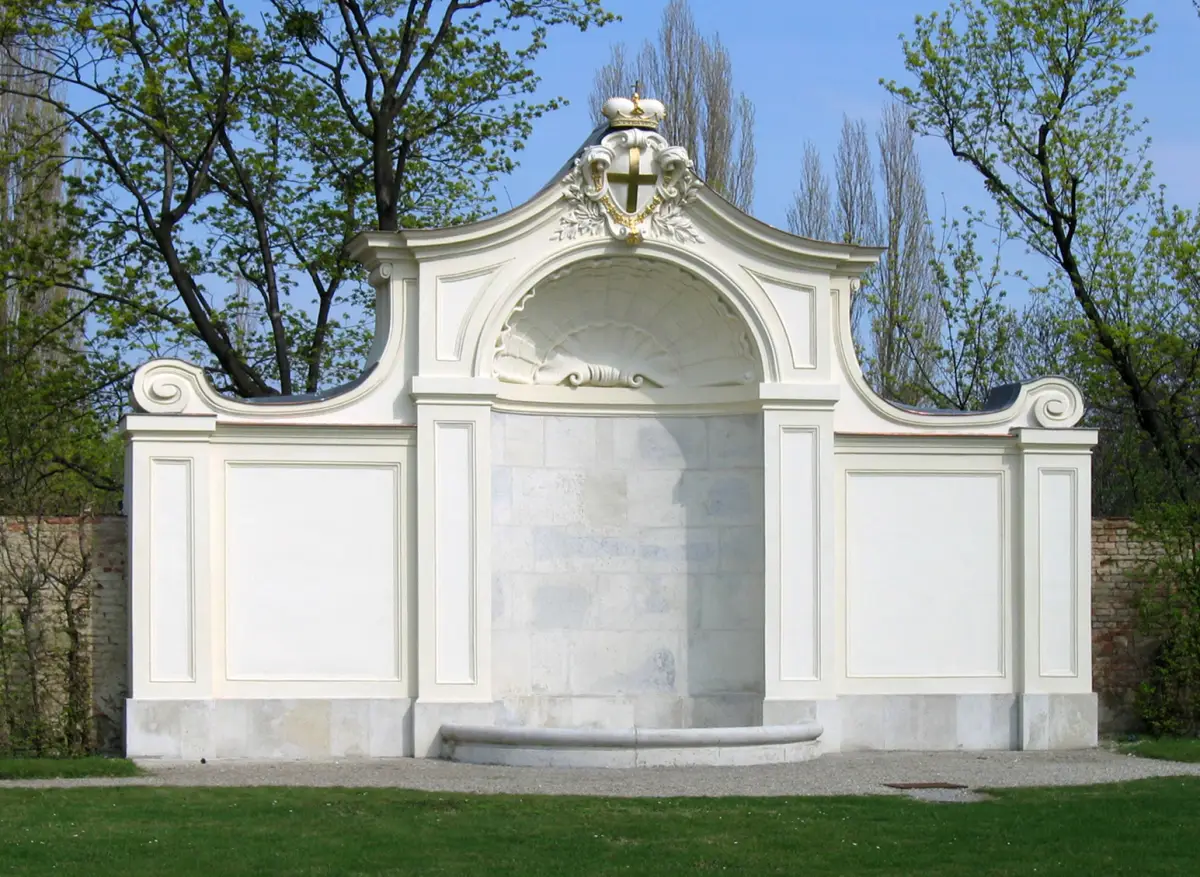
- Kammergarten / Privy Garden — small enclosed garden by the Upper Belvedere.
- Kaskadenbrunnen (cascade fountain) — viewable along the central axis.
- Alpine Garden — paid section, smaller paths, parts may be uneven.
The garden gates close earlier than the museums, so plan your last loop accordingly — please check current closing times on the official site.
4. Lower Belvedere and the Orangery
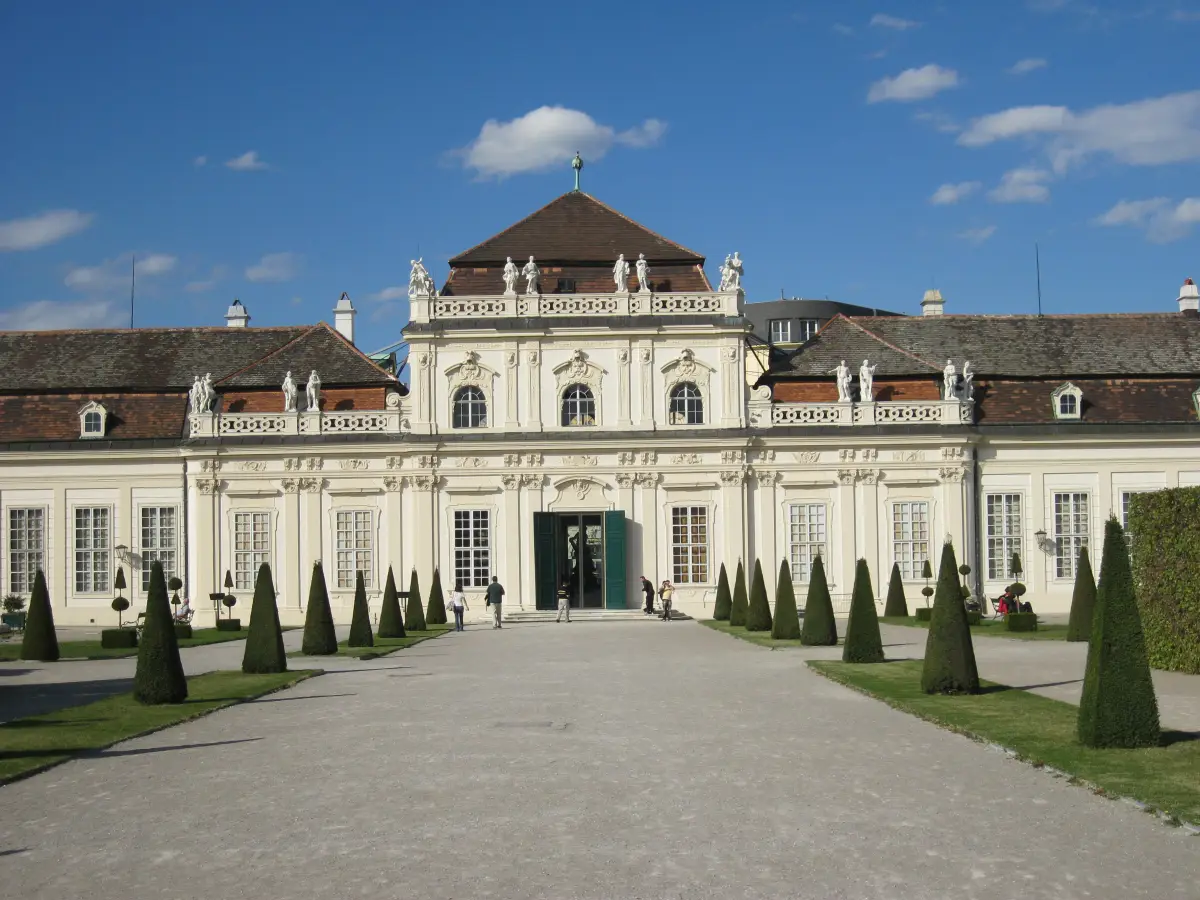
The Lower Belvedere hosts changing special exhibitions. The main public route is largely step-free, with ramps on the visitor path and a lift to the upper floor. The connected Orangery and the historical state rooms (Marble Hall, Gold Cabinet) are mostly accessible at floor level; some smaller historic rooms may have slight thresholds.
- The Lower Belvedere entrance from Rennweg has a step-free approach via the inner courtyard.
- Special exhibitions usually require a separate ticket (or are included in a combined ticket).
- Some historic rooms have polished stone floors — drive carefully at low speed.
5. Belvedere 21 (contemporary art)
Belvedere 21 is the third site of the museum — a pavilion just south of the Upper Belvedere, dedicated to 20th and 21st century art. According to the official accessibility page, the main entrance offers ground-level access with an automatic double swing door, and barrier-free toilet facilities are available on site.
From Upper Belvedere, Belvedere 21 is a short scoot south — please check the current pedestrian route on a city map; one designated disabled parking space is documented at Arsenalstraße 1.
6. Toilets, café, tickets, weather
Accessible toilets for wheelchair users are available at the Belvedere sites according to the official accessibility page. If you require any specific access information, please ask staff at the ticket desk.
Cafés: There is a museum café/shop area accessible for wheelchair users at the Belvedere sites. Several cafés and restaurants are also located on Rennweg just outside Lower Belvedere — please check current step-free access details on arrival.
Charging your scooter: not needed for a typical Belvedere visit. A Classic+ battery (~20 km range) easily covers a 4–5 hour visit including a walk back to your hotel area.
Weather: the gardens and palace forecourts are open to the weather. On rainy days, the museums themselves are still very rewarding, and many visitors find them quieter then.
7. How much time should I plan?
- Short visit (2 h): Upper Belvedere only — Klimt rooms + a quick coffee.
- Half day (3–4 h): Upper Belvedere + walk through the gardens + Lower Belvedere main rooms.
- Full day (5–6 h): add Belvedere 21 and a longer café break.
8. Which scooter model fits Belvedere best
From our fleet:
- Classic — works well for the Upper Belvedere alone, especially if you arrive directly at the gate. Up to 120 kg rider, range 15 km.
- Classic+ — our recommendation for Belvedere. Up to 135 kg rider, range 20 km, comfortable on the gravel garden paths and the gentle slope between Upper and Lower.
- Maxi — for visitors above 135 kg or visitors who prefer the very stable 4-wheel large frame. Only on request, Vienna only.
We deliver directly to your Vienna hotel by 10:30 AM, pick up on your departure day, and provide a phone walk-through in English or German on operation and charging.
Request a quote WhatsApp