Vienna old town barrier-free with a mobility scooter — guide
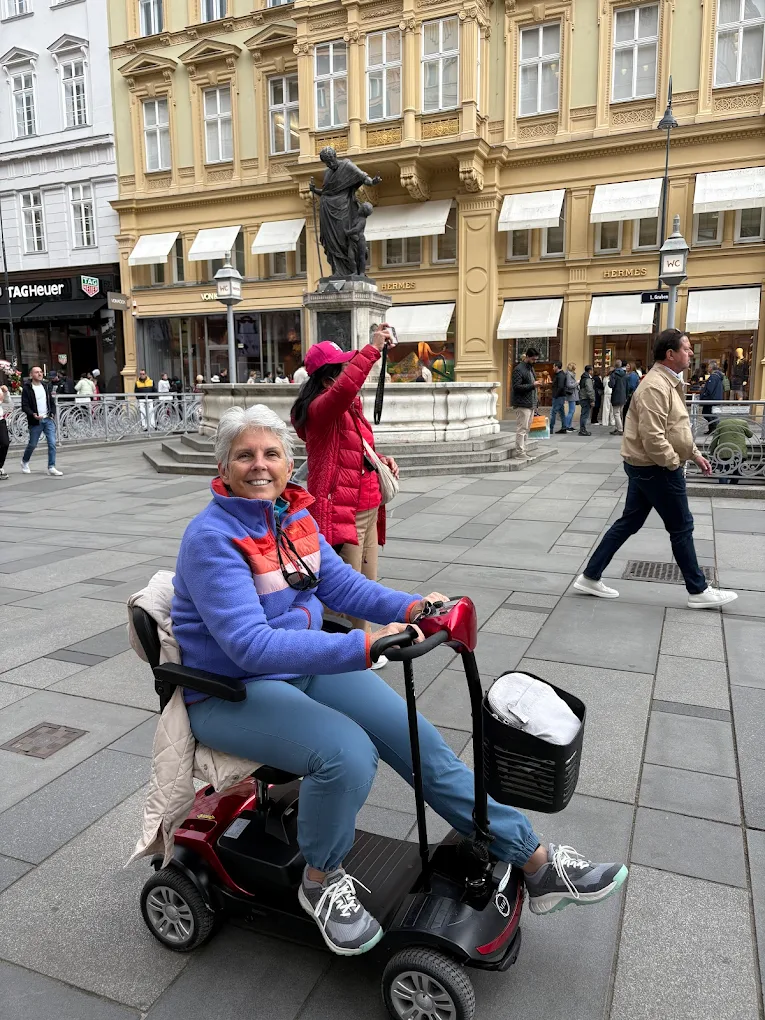
Vienna's 1st district (Innere Stadt) is the historic core: pedestrian zones along Graben, Kohlmarkt and Kärntner Straße, the towering Stephansdom in the middle, and the Hofburg complex to the west. Most of these streets are largely barrier-free and on flat ground — a real plus for visitors with reduced mobility. The main caveat is the surface: many streets are paved with traditional sett stones (sometimes called "cobblestones"), which can feel a bit vibrating on smaller wheels. A 4-wheel mobility scooter handles them comfortably at moderate speed. For up-to-date accessibility info, see the Vienna Tourist Board's barrier-free guide.
In this guide
1. How to arrive — U-Bahn and access points
The 1st district has excellent U-Bahn coverage. All stations are barrier-free with elevators (current rules and live elevator status: Wiener Linien accessibility).
- U1/U3 Stephansplatz — exits you directly onto the central square in front of Stephansdom.
- U3 Herrengasse — closest to the Hofburg.
- U1/U2/U4 Karlsplatz — closest to the Opera and the south end of Kärntner Straße.
- U1/U3 Schwedenplatz — close to the north end of the old town, near the Danube canal.
If we deliver the scooter to your hotel, most central-district hotels are within a few minutes' scoot of any of these stations.
2. Stephansplatz and Stephansdom
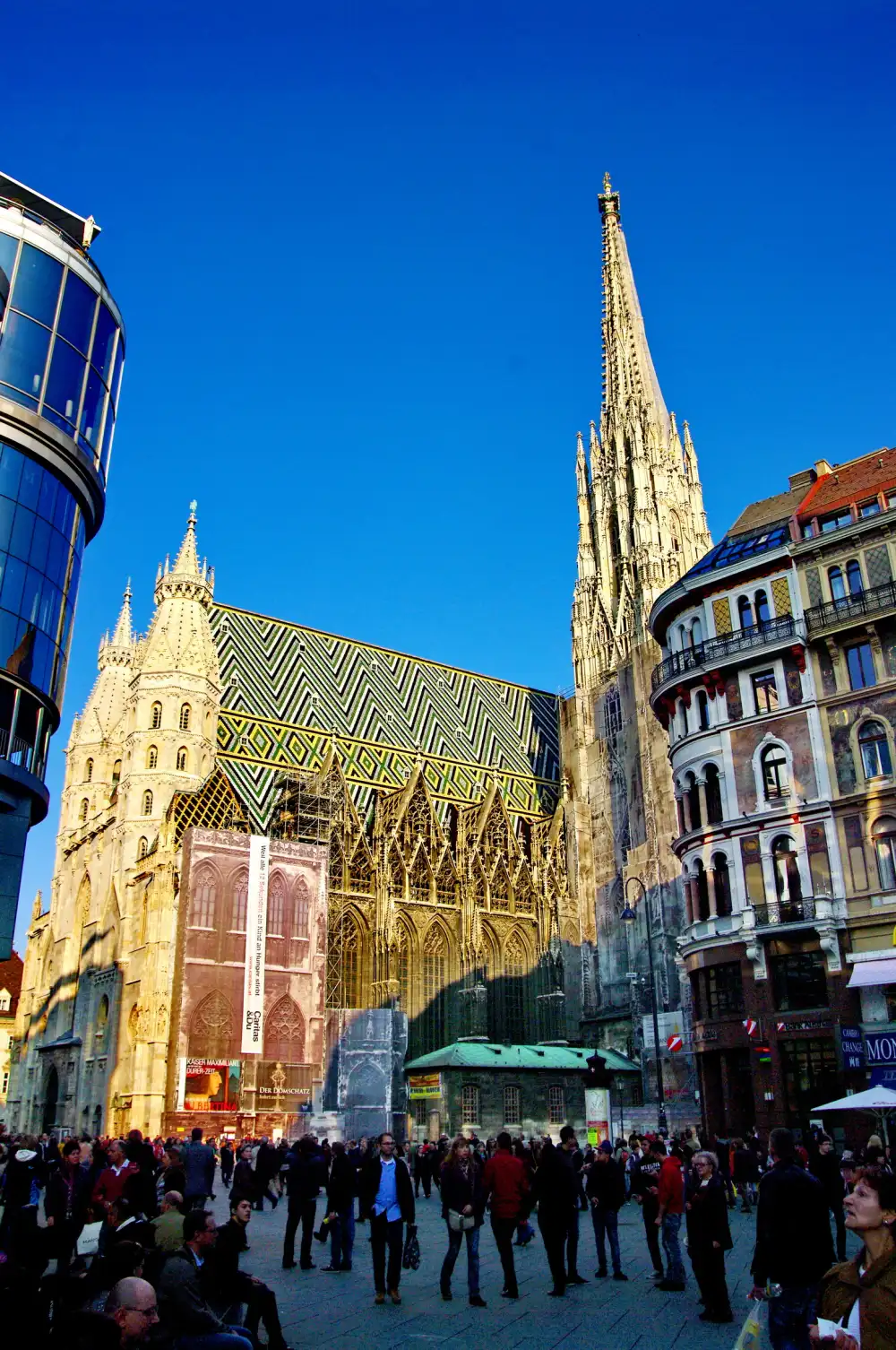
Stephansplatz is a generous open square, largely step-free, with smooth paving in the central zone. According to public accessibility guides, Stephansdom offers accessible entry through the main portal (Riesentor / Giant Gate) and a ramped exit through the Primtor, with smooth stone floors and wide circulation in the main nave. The catacombs and towers are not wheelchair-accessible. Please always check the cathedral's visitor FAQ and the Vienna Tourist Board page for current details.
- The pedestrian zone around the cathedral is busy from late morning — early or late visits are typically calmer.
- Several cafés around Stephansplatz, Stock-im-Eisen-Platz and Graben are a short scoot away; please check step-free access on arrival.
3. Graben, Kohlmarkt and the Pestsäule
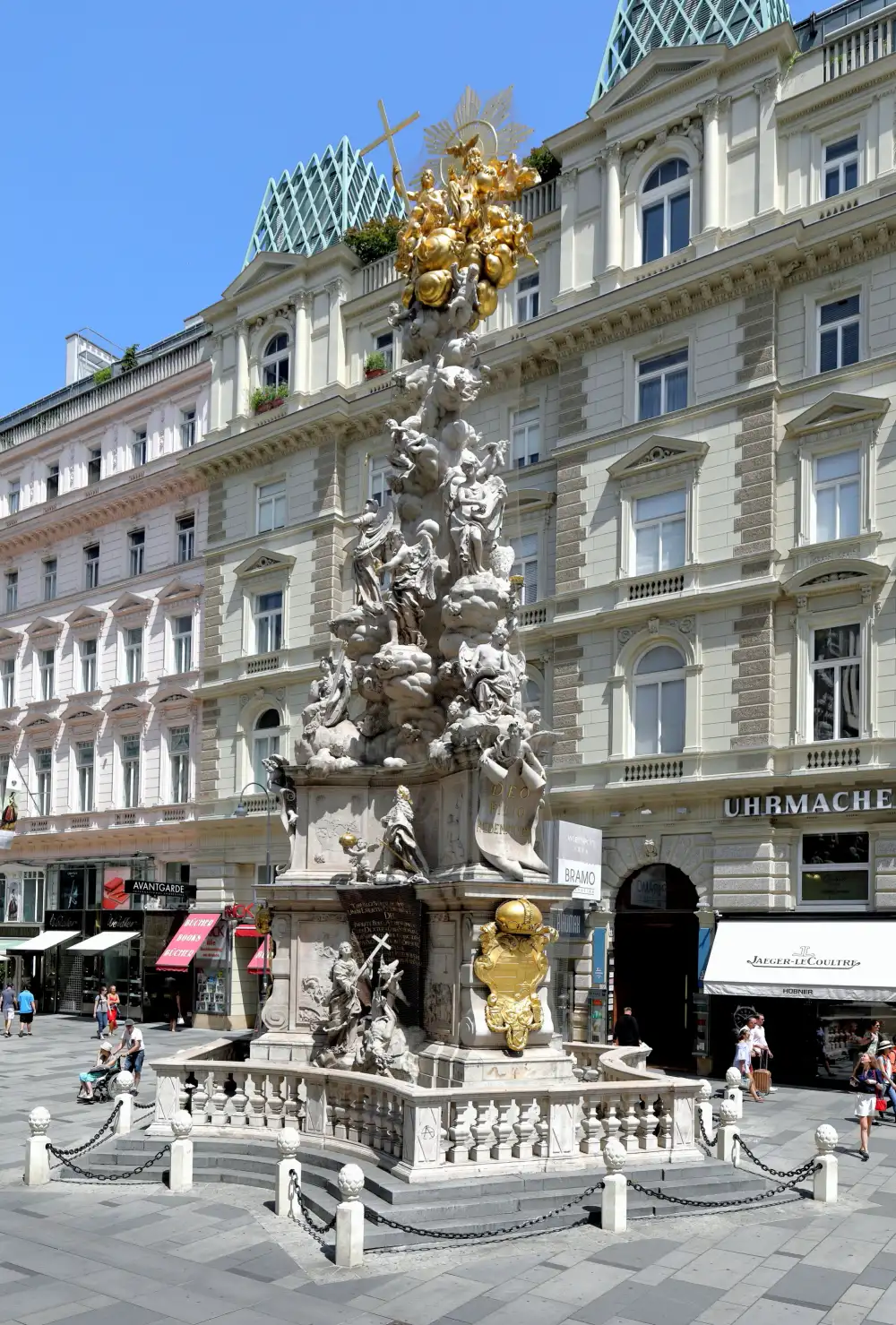
The Graben is one of Vienna's most elegant streets — a wide, fully pedestrianised boulevard with the Baroque Pestsäule (Plague Column) in the middle. It connects Stephansplatz with Kohlmarkt and the Hofburg. The surface is mostly smooth paving with some sett-stone sections. Step-free throughout.
Kohlmarkt continues from Graben towards the Hofburg, lined with classic Vienna addresses (Demel, designer shops). Also step-free and pedestrianised.
- Café Demel (Kohlmarkt) — historic café; check on arrival for the current step-free access details.
- Manz Bookshop (Kohlmarkt) — preserved Adolf Loos facade, ground-level entry.
- Pestsäule — view from any side, fully accessible from the pedestrian zone.
4. Kärntner Straße and the Opera
Kärntner Straße runs from Stephansplatz south to the State Opera. It is fully pedestrianised, flat, and the surface is generally smooth modern paving. Several large department stores along the way have step-free entrances and accessible toilets.
At the south end, the Vienna State Opera (Wiener Staatsoper) has accessible entrances and reserved wheelchair spaces — for current ticket and access details see the Staatsoper accessibility page.
5. Hofburg and Heldenplatz
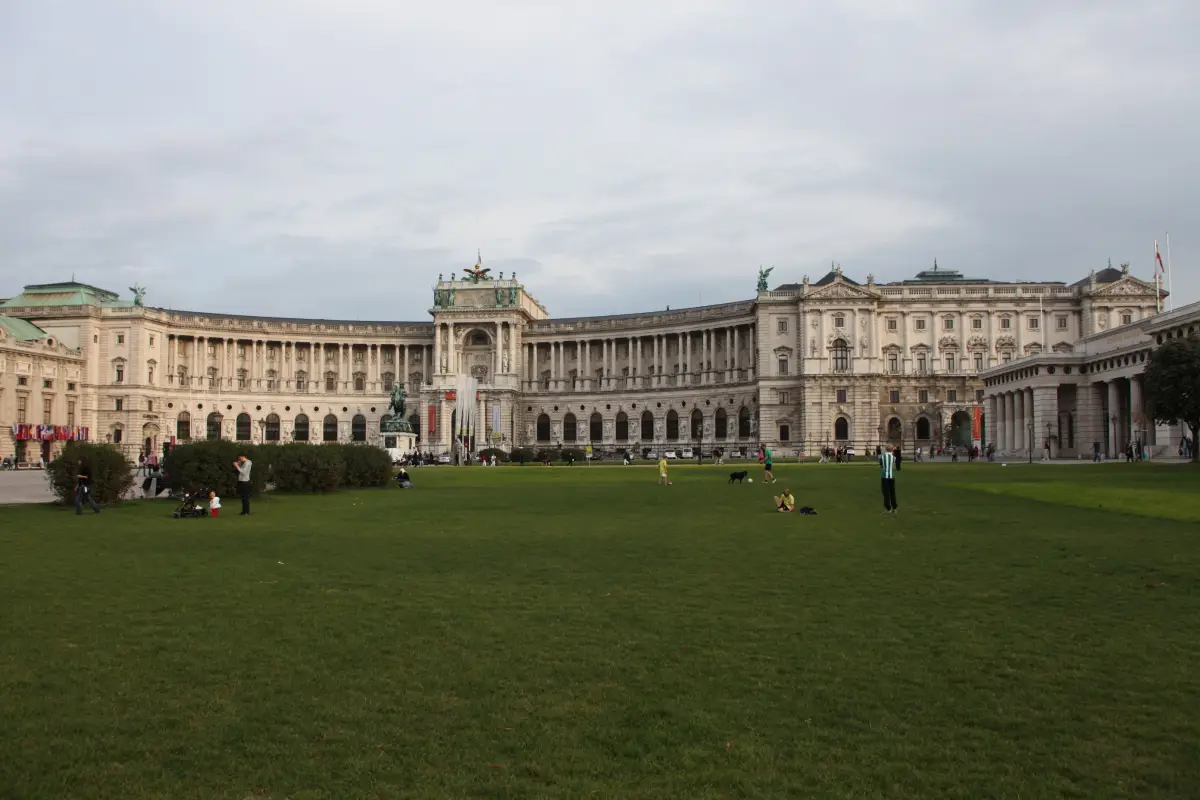
The Hofburg is the former imperial residence, now home to several museums (Sisi Museum, Imperial Apartments, Imperial Treasury, Spanish Riding School). Access details vary by museum: most have step-free entrances and lifts, but some historic rooms have thresholds. For the Sisi Museum and Imperial Apartments, check the official accessibility page before visiting.
Heldenplatz in front of the Neue Burg is a large open square — broad, mostly flat, with surface described in official guidance as barrier-free and asphalted. A wonderful viewpoint for the Hofburg.
From Heldenplatz you can scoot onwards through the Burggarten (lovely on a sunny day) or across the Ring to the Kunsthistorisches Museum and Naturhistorisches Museum, both of which publish their own accessibility provisions — please check before visiting.
6. Cobblestones — what to expect
Parts of the 1st district are paved with traditional sett stones (often called "cobblestones"). They are not loose — they are flat-cut blocks set tightly into the ground — but the joints between them create a slight vibration on smaller wheels. Our 4-wheel mobility scooters handle them comfortably at moderate speed. A few tips:
- Drive at moderate speed on sett-stone sections — smoother ride, more grip.
- Many central streets have a smooth strip on one side for prams and wheelchairs — use it where you see it.
- If a section feels rough, slow down or pick a parallel street; most blocks in the 1st district offer alternate routes.
7. Toilets, cafés, weather
Accessible toilets are available at major U-Bahn stations and in several department stores along Kärntner Straße. The City of Vienna's interactive city map includes accessible WCs as a layer you can switch on.
Cafés: the 1st district has dozens of classic Vienna coffee houses. Step-free access varies — many modern locations are step-free, while some historic ones have a single threshold. A few well-known names worth checking on arrival:
- Café Central (Herrengasse) — historic Vienna café atmosphere.
- Café Hawelka (Dorotheergasse) — bohemian classic.
- Aida (multiple branches in the city centre) — modern, often step-free.
Weather: Vienna's 1st district is enjoyable all year. In summer, start early to avoid the busy midday hours. In winter, the central Christmas markets (Stephansplatz, Am Hof, Freyung) are popular and typically navigable on a scooter — surfaces and stand layouts vary year to year, so please plan a relaxed pace.
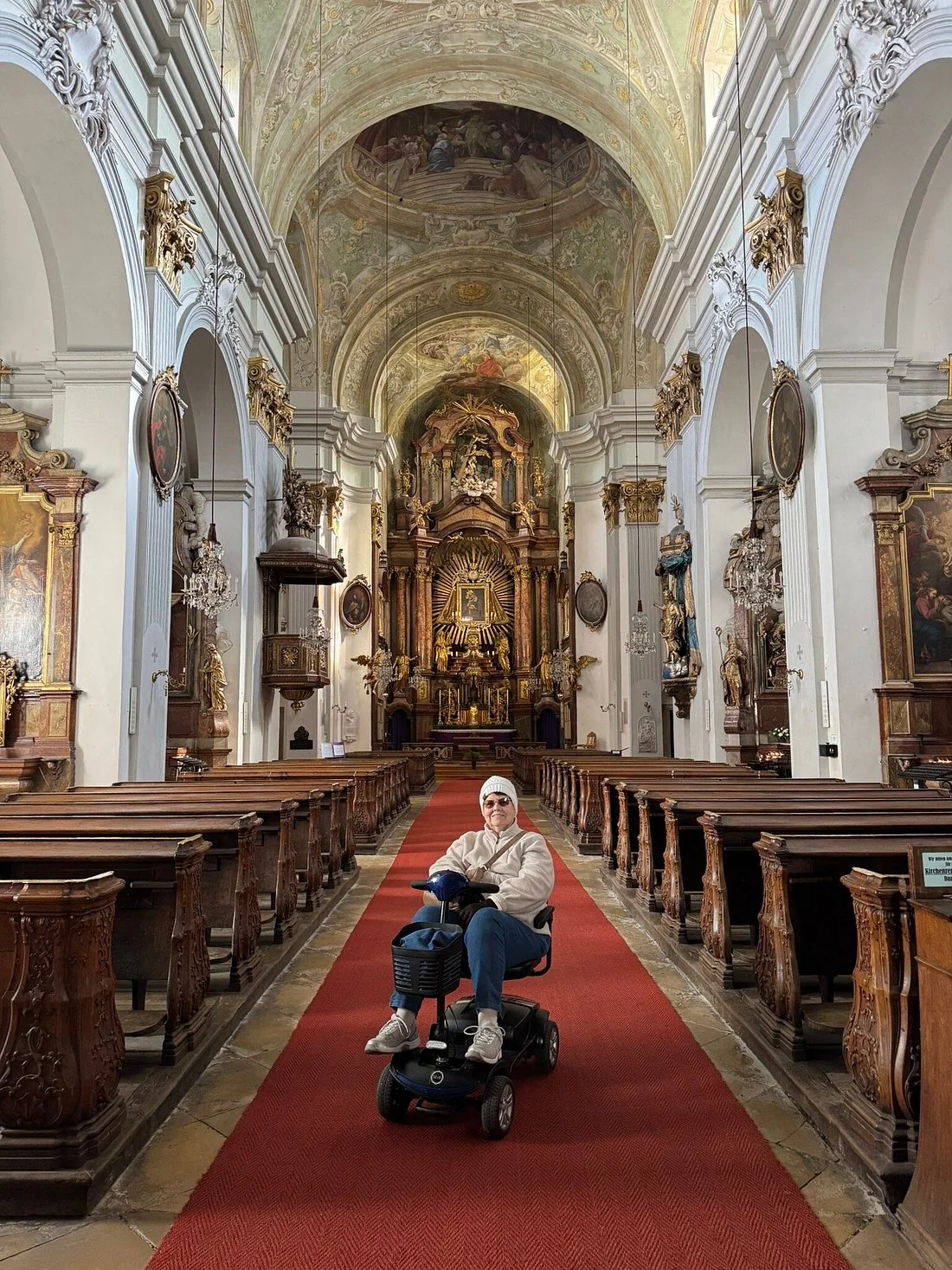
8. Which scooter model fits the old town
From our fleet:
- Classic — works well for shorter visits in the 1st district. Up to 120 kg rider, range 15 km, very compact.
- Classic+ — our recommendation for full-day sightseeing. Up to 135 kg rider, range 20 km, smoother on sett-stone surfaces.
- Maxi — for visitors above 135 kg or visitors who prefer the very stable 4-wheel large frame. Only on request, Vienna only.
We deliver directly to your Vienna hotel by 10:30 AM, pick up on your departure day, and give a phone walk-through in English or German on operation and charging.
Request a quote WhatsApp